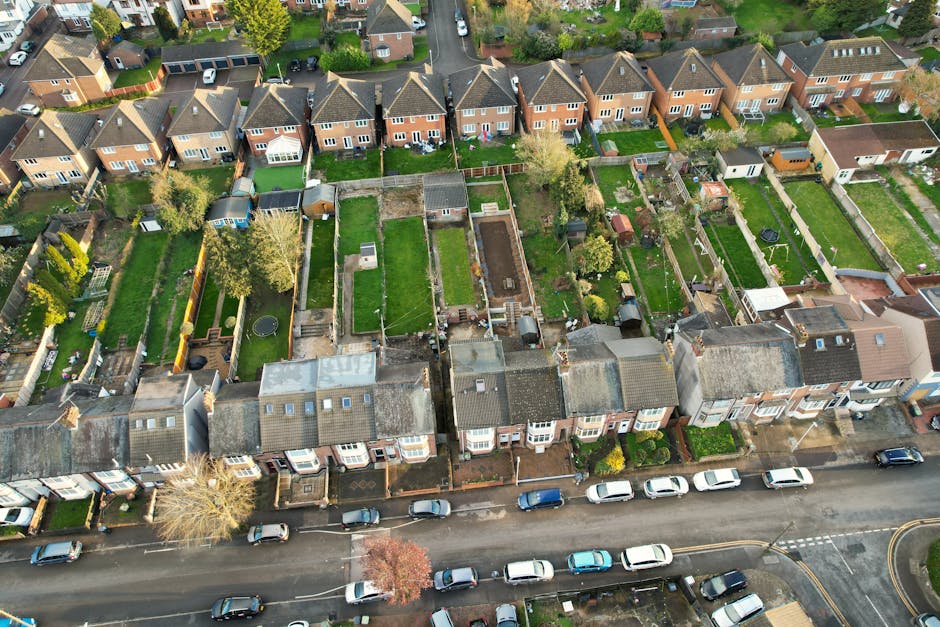
Wimbledon Chase estate moves: narrow-drive checklist
If you are planning a move in Wimbledon Chase, the chances are the building access looks straightforward on paper and then turns a bit awkward on moving day. Narrow driveways, tight turning space, shared parking, low-hanging branches, bikes left against the wall, and a neighbour's car parked just where you need it. Lovely area, yes. Easy for removals? Not always.
This guide to Wimbledon Chase estate moves: narrow-drive checklist is here to make the awkward bits easier. It covers how to plan access, what to measure, how to protect walls and paving, when a smaller van makes more sense, and how to avoid the classic last-minute scramble. If you want a calmer move and fewer surprises, this is the practical checklist worth keeping nearby. Truth be told, a little preparation goes a very long way.
Why Wimbledon Chase estate moves: narrow-drive checklist Matters
Estate roads and private drives in Wimbledon Chase often look neat, residential and manageable. But a move can quickly become tricky if the access is narrower than the vehicle, the turning area is tight, or loading has to happen without blocking neighbours. A narrow-drive checklist helps you spot those pressure points early, before the boxes are stacked and the front door is open.
Why does this matter so much? Because most moving delays in tight-access streets are not dramatic disasters. They are small, cumulative hold-ups: reversing in and out three times, carrying a sofa farther than expected, pausing because a van door cannot fully swing open, or trying to move a wardrobe when the angle is all wrong. One small issue becomes three. Then the schedule slips. Then everybody gets grumpy. Not ideal.
A clear checklist also helps you choose the right service. For example, a larger household move may be better suited to dedicated house removals in Merton, while a compact flat move might fit better with flat removals in Merton or a flexible man and van service in Merton. The right match matters more than people think.
How Wimbledon Chase estate moves: narrow-drive checklist Works
The idea is simple: assess the access before move day, then build the moving plan around the actual site conditions rather than assumptions. That means checking the width of the drive, the height of any overhead obstacles, the surface condition, the route from van to front door, and whether parking or access permissions are needed.
In practice, the process usually looks like this:
- Survey the approach - look at the road, gate, driveway, and turning space.
- Measure the tight spots - not just the driveway itself, but corners, entrance points, and anything that narrows the route.
- Match the vehicle to the property - sometimes a smaller removal van in Merton is simply the smarter choice.
- Plan the loading order - heavy and awkward items first, then boxes, then last-minute essentials.
- Prepare for protection and safety - floors, walls, bannisters and doors deserve attention, especially in close quarters.
- Build a time buffer - narrow access always takes a bit longer than open kerbside loading. Always.
This approach is especially useful in estate-style settings where the access may be shared, the parking informal, or the driveway simply not designed for modern high-roof vans. A move that feels easy on a street plan can feel very different in real life when the back end of the van is still half on the road and the front gate is only just open.
Key Benefits and Practical Advantages
A proper narrow-drive checklist is not just about avoiding mistakes. It brings a few real advantages that show up immediately on move day.
- Less stress - everyone knows the plan and the access limits before the first box is lifted.
- Faster loading - the team can position the vehicle once, rather than constantly adjusting it.
- Lower damage risk - tight spaces are where scuffed paint, chipped plaster and bent handles happen.
- Better vehicle choice - you can decide whether a smaller van, shuttle runs, or extra labour is the better fit.
- Safer handling - long carries, awkward angles and steep kerbs can be planned in advance.
- Fewer neighbour issues - no one enjoys blocking an entrance without warning, especially on a busy weekday morning.
There is also a quieter benefit: confidence. When you have measured the driveway, checked the route, and thought through the awkward furniture, the move stops feeling like guesswork. That calm feeling is worth a lot.
If you are still gathering background on local property logistics, the guides on buying property in Merton and the broader Merton suburb overview can help you think about local layout, access and neighbourhood expectations in a more rounded way.
Who This Is For and When It Makes Sense
This checklist is useful for a wider group than you might expect. It is not only for large family homes with awkward drives. It also helps smaller households, landlords, letting agents, student movers, and anyone shifting furniture into or out of a property where the access is tight.
You will especially benefit if:
- the driveway is only just wide enough for a van
- you share access with other homes or flats
- there is a steep slope, narrow gate, or low arch
- you are moving a piano, wardrobe, sofa, or heavy white goods
- you need to avoid blocking school-run traffic or neighbour parking
- you have a same-day deadline and cannot afford trial and error
It also makes sense if you are weighing up services. Some moves are best handled with a full removal team, while others work well with a smaller, more agile setup. If you are not sure, browsing the services overview can help you compare the available options without overcomplicating things.
Students and renters in particular often underestimate access issues. A narrow stairwell, a tight drive and a loaded parking bay can turn a straightforward shift into a surprisingly long day. If that sounds familiar, the dedicated student removals Merton page is worth a look too.
Step-by-Step Guidance
Here is the simplest way to plan a move around a narrow driveway in Wimbledon Chase without losing your head halfway through.
1. Measure the actual access, not the guessed access
Take a tape measure and check the narrowest point on the route. That includes gates, bollards, corners, garage entrances and any section where the van needs to turn rather than just drive straight in. If you can, measure width and height. A hedge can be more misleading than it looks from the pavement.
2. Photograph the route
Take a few clear photos from the road to the front door and back again. Include turning points, surface changes, and anything likely to create a snag. These images are genuinely useful when discussing access with a mover. A ten-second photo often explains more than a long phone call.
3. Decide where the van can safely stop
In narrow drives, the vehicle may need to pause partly on the road or at a specific angle. Think through the safest point for unloading. If the road is busy, you may need a short carry from a legal stopping point rather than trying to squeeze the van all the way in.
4. Sort the furniture by difficulty
Big and awkward items usually cause the most trouble. Sofas, wardrobes, bed frames, treadmills, mirrors and pianos often deserve a separate plan. If you are moving anything delicate or bulky, a specialist service such as furniture removals in Merton or even piano removals in Merton may save time and nerves.
5. Protect the property before the first item moves
Use door protectors, blankets, floor covers and corner protection where needed. Tight access tends to increase accidental contact. One careless scrape along a painted wall can slow everything down. It is the sort of thing no one notices until they do.
6. Keep essentials separate
Have a small bag or box for documents, medication, chargers, kettle bits, snacks, keys and anything you need in the first hour. This is not directly about driveway access, but once the van is parked awkwardly and you are walking back and forth, you will be glad you did it.
7. Build in a buffer
Start earlier than you think. Narrow-drive moves often take longer because there is less room for fast movement. A small delay at 8:30 in the morning is manageable. The same delay at 4:30 in the afternoon, with tired legs and blocked parking, feels very different.
Expert Tips for Better Results
There are a few practical habits that make a surprisingly big difference on tight-access moves. None are fancy. That is kind of the point.
- Use a smaller van if access is truly tight. A slightly smaller vehicle can save time, reduce reversing, and lower the chance of damage.
- Do a quick "furniture angle check." Measure doorways and hall bends for the items that always catch people out.
- Keep the loading path clear. Bin bags, prams, bicycles and plant pots are easy to overlook in front of a house, but they matter.
- Ask about parking strategy in advance. Good planning beats a stressful last-minute shuffle.
- Label awkward items clearly. A marker pen and a bit of tape can stop confusion when time is tight.
One local-style tip: if the driveway is shared, let neighbours know when the larger items are coming out. A quick polite heads-up can avoid a lot of awkwardness. London moves are rarely silent affairs anyway, but a bit of consideration goes a long way.
You can also think about whether you need short-term holding space. If the dates do not quite line up, a local storage option for the area can make the whole process less rushed.
Common Mistakes to Avoid
Most problems on narrow-drive moves are avoidable. The frustrating part is that they are usually predictable in hindsight.
- Assuming the van will fit without checking - this is the classic one.
- Ignoring the turning circle - fitting in is not the same as getting out again.
- Not measuring bulky furniture - especially wardrobes and sofas with arms that stick out.
- Forgetting about overhead clearance - low branches, canopies and cables matter.
- Leaving parking arrangements to the day itself - not a great idea in estate settings.
- Underestimating packing time - particularly if you have not used proper packing and boxes in Merton.
- Overfilling the van - tight access plus overpacked cargo is a bad combination.
A move in a narrow estate drive is not the place to improvise heroically. Better to be slightly boring in advance than wildly inventive on the day.
Tools, Resources and Recommendations
You do not need a toolbox full of specialist kit, but the right basic tools help a lot.
| Tool or resource | Why it helps | Best used for |
|---|---|---|
| Tape measure | Confirms widths, heights and furniture clearances | Access checks and awkward furniture |
| Phone camera | Creates a visual record of the route and obstacles | Quoting and planning |
| Furniture blankets and floor covers | Reduces scuffs and impact damage | Loading through narrow paths |
| Labels and marker pens | Keeps boxes organised and speeds unloading | Packed-room sorting |
| Quoted access notes | Helps the mover prepare the right vehicle and crew | Pre-move communication |
For pricing clarity, it is sensible to check pricing and quotes early so that access complexity is factored in properly. A narrow drive can change the labour and vehicle plan, and that is normal.
If you are comparing provider types, the page on removal companies in Merton is useful for understanding how a more structured service differs from a flexible van-based approach such as man with a van in Merton or man with van support. Different homes, different jobs. Simple as that.
Law, Compliance, Standards, or Best Practice
For domestic removals, the most relevant issue is usually not a complicated legal rule but sensible compliance and safe working practice. In the UK, movers and customers alike should think about access safety, parking permissions where needed, insurance, and the duty to avoid damage or injury.
Good practice generally includes:
- checking whether parking or stopping arrangements are lawful and practical
- keeping pathways clear enough to reduce trip hazards
- using appropriate lifting techniques and protective equipment
- making sure the vehicle choice suits the route and load
- confirming whether items need specialist handling or additional protection
If a property has stairs, shared access, or difficult entry points, it is wise to ask the removals provider about their health and safety approach and insurance and safety arrangements. That is not being fussy. It is just sensible.
For customers who care about responsible disposal and less waste during a move, the company's recycling and sustainability information may also be helpful. The best moving plans are the ones that are careful in more than one way.
You should also read the relevant terms and conditions and privacy policy before booking, especially if the move involves quotes, access photos, and contact details shared in advance. A calm move starts with clear expectations.
Options, Methods, or Comparison Table
There is no single right way to handle a narrow-drive move in Wimbledon Chase. The best option depends on the load, the access, and how much time you have. Here is a simple comparison.
| Method | Best for | Advantages | Watch-outs |
|---|---|---|---|
| Large van, one trip | Easy access, larger loads, clear parking | Efficient if the route is generous | May struggle on tight drives or narrow turns |
| Smaller van with shuttle runs | Very narrow access, shared drives, limited turning space | Safer manoeuvring and more flexibility | Can take longer overall |
| Full removal team | House moves, heavy furniture, complex access | Better for protection, lifting and coordination | Usually more planning required |
| Man and van | Smaller moves, quick local jobs, lighter loads | Flexible, often efficient for compact access | Less suitable for very heavy or specialist items |
If you are moving on short notice, a same-day booking can sometimes work, but tight-access properties still need basic information shared first. A quick look at same day removals in Merton is useful if your timetable is already getting a bit hairy.
Case Study or Real-World Example
Imagine a two-bedroom home on a quiet Wimbledon Chase estate where the driveway looks fine from the pavement, but once a car is parked near the gate, the entry narrows more than expected. The homeowners have a sofa, two wardrobes, a bed frame and a stack of boxes. Nothing unusual. But there is no wide turning area, and the van cannot sit fully inside without blocking a neighbour's path.
In that kind of move, the sensible approach is to walk the route first, measure the gate and the tightest bend, and then decide whether the van should stop at the kerb or partially on the drive. The wardrobes are loaded before the smaller boxes. A couple of blankets protect the wall by the door. The team leaves a clear path for neighbours and keeps the exit free. It is not glamorous, but it works.
What matters most here is that no one tries to force a large vehicle into a space that was never meant for it. That is where the trouble starts. The better move is the one that looks unremarkable because it was planned properly.
If you want to learn more about the local area before moving day, the piece on life in Merton from local opinions adds some useful neighbourhood context, and the guide to avoiding delays around Wimbledon Common is handy if your route passes through busier SW19 roads.
Practical Checklist
Use this checklist as a quick pre-move reference. It is simple on purpose.
- Measure the driveway width at the narrowest point
- Check gate width, height clearance and corner turns
- Photograph the access route from street to front door
- Note any parked cars, bollards, lamps, low branches or slopes
- Confirm where the van can legally and safely stop
- Decide whether a smaller van is needed
- Measure large furniture and awkward items
- Protect floors, walls and doorframes
- Label fragile or heavy boxes clearly
- Set aside essentials for easy access after unloading
- Tell neighbours if access or parking might be affected
- Leave time for one extra round of loading, just in case
Expert summary: on a narrow-drive move, the biggest wins come from preparation, not speed. Measure early, communicate clearly, and choose the vehicle that fits the property, not the other way round.
If you are ready to talk through the logistics, you can always contact the team for a straightforward discussion of access, timings and the kind of vehicle that suits your move.
Conclusion
Wimbledon Chase estate moves are usually manageable once you treat access as the main event rather than an afterthought. A narrow-drive checklist gives you a better handle on vehicle choice, furniture handling, timing and safety, which means fewer delays and fewer stressful surprises. That is really the heart of it.
Whether you are moving a family home, a flat, a student property or just a handful of bulky items, the same principle applies: plan the route, measure the pinch points, and keep the day as simple as possible. The move will still feel busy, of course. But it does not have to feel chaotic.
Get a free quote today and see how much you can save.
And if you want a calmer moving day, start with the awkward bit first. That is usually where the peace of mind is hiding.
Frequently Asked Questions
What is a narrow-drive checklist for Wimbledon Chase moves?
It is a practical list of checks for properties where driveway width, turning space, parking or access may make moving more difficult than usual. It helps you plan the van, route and loading process before move day.
Why does narrow access matter so much during a house move?
Because tight access slows loading, increases the risk of damage, and can make it difficult for the vehicle to stop or turn safely. A few extra minutes of planning can save a lot of hassle later.
Should I use a smaller van for a narrow driveway?
Sometimes, yes. If the driveway, gate or turning area is tight, a smaller van can be easier to position and safer to unload from. It may take a little longer overall, but it can be the better choice.
How do I know if my furniture will fit through the route?
Measure the widest parts of your furniture and compare them with the narrowest points on the route, including doors, bends and landings. Take photos too. In real life, a sofa that looks fine in the living room can be awkward at the gate.
Do I need to warn neighbours before a move on a shared estate?
It is usually a good idea, especially if the van may block part of the access for a short time. A polite heads-up can prevent frustration and makes the day smoother for everyone.
What should I do if parking is limited outside the property?
Plan where the van will stop legally and safely, and decide whether a short carry from the roadside is better than trying to force the van into a tight space. Sometimes the smarter option is slightly less convenient, but much safer.
Is professional packing worth it for a narrow-drive move?
It often is, especially if you have fragile items or a lot of boxes to move through a tight route. Well-packed boxes are easier to carry, stack and protect. If you are packing yourself, the packing and boxes in Merton service page may help you plan the essentials.
Can a moving company help with access planning before the job?
Yes. A good mover should be happy to review access details, photos and any parking concerns in advance. That information helps them choose the right vehicle and crew size for the job.
What is the biggest mistake people make on narrow-drive moves?
Assuming the access will be fine on the day without checking it properly. That one assumption causes more avoidable problems than almost anything else.
How early should I arrange a quote for a Wimbledon Chase move?
As early as you reasonably can, especially if the property has restricted access or you need a specific moving date. Early quotes give more time to assess the route, compare options and avoid last-minute pressure.
What if I have large or unusual items like a piano or heavy wardrobe?
Tell the mover in advance. Specialist items often need different handling, extra protection or a different loading plan. Services such as piano removals or furniture removals can make a real difference here.
Where can I find more information about the company and its policies?
You can review the about us page, along with the company's terms, privacy policy and complaints procedure if you want a fuller picture before booking.
What should I do if I need storage between move dates?
If completion dates do not align or the new property is not quite ready, short-term storage can bridge the gap and reduce pressure on moving day. It is one of those quiet solutions that makes everything else easier.