Mitcham top-floor moves: dealing with tight Victorian stairs
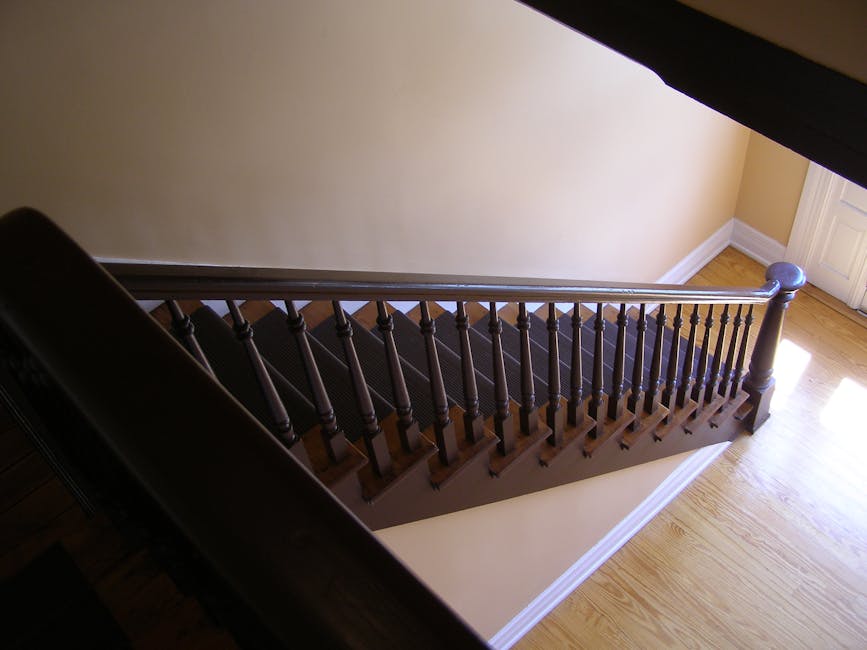
Top-floor moves in Mitcham can look straightforward on paper, then the staircase appears and everything changes. Narrow treads, a sharp turn halfway up, low ceilings, awkward banisters, a bit of old paintwork that flakes if you look at it the wrong way. Sound familiar? If you are moving out of a Victorian terrace or a converted flat, Mitcham top-floor moves: dealing with tight Victorian stairs is less about brute force and more about planning, patience, and protecting both the property and your furniture.
This guide walks you through what makes these moves tricky, how professional movers approach them, what to prepare in advance, and where people most often get caught out. It also covers sensible safety and compliance considerations, plus a realistic checklist you can use before moving day. If you are comparing providers, you may also want to look at pricing and quotes, insurance and safety, and the company's health and safety policy before you book.
Truth be told, Victorian stairs can defeat even a modest sofa. The good news? With the right prep, the job becomes much calmer than it first looks. Not easy, necessarily, but manageable.
Why Mitcham top-floor moves: dealing with tight Victorian stairs matters
Top-floor moves are already hard work. Add a Victorian staircase with narrow bends, steep risers, and limited landing space, and the challenge shifts from ordinary removals to careful logistics. In Mitcham, that often means older housing stock, shared entrances, and flats where the stairwell was never designed for modern furniture. A double mattress may fit if angled correctly. A wardrobe might not. A washing machine? Sometimes yes, sometimes absolutely not without a plan.
This matters for three simple reasons. First, safety: tight stairs increase the chance of slips, dropped items, strained backs, and damaged walls. Second, property protection: old plaster, painted banisters, and original woodwork mark easily. Third, time and cost: the wrong approach can turn a one-hour loading job into a half-day struggle. And nobody wants that on moving day, least of all the neighbours listening to a sofa scrape its way round a corner at 8:15 in the morning.
There is also a practical reality many people miss: the route out of the property is just as important as the item itself. A chest of drawers that seems manageable in the hallway can become impossible once it reaches the first bend. So the staircase is not a minor detail. It is the whole game.
Expert summary: With tight Victorian stairs, success usually comes from three things: accurate measurements, the right lifting method, and protecting the property before anything heavy starts moving.
How Mitcham top-floor moves: dealing with tight Victorian stairs works
The process is a mix of assessment, dismantling, careful handling, and sequencing. In a good move, the team does not simply arrive and start carrying. They look at the staircase, the width of the narrowest point, ceiling height on turns, where furniture can pause safely, and whether large items need to be broken down before they ever reach the stairwell.
Most experienced movers use a simple rule: if it is awkward at the front door, it will be worse on the stairs. So they often start with measurements. Height, width, depth, diagonal clearance, and turning radius all matter. A quick glance is not enough. The item may technically fit, but only if rotated cleanly and carried by people who know the angle to use. That is where experience really shows.
For top-floor moves, planning also covers sequence. Heavier or awkward items go first while everyone is fresh. Fragile items are wrapped and protected before the first trip begins. If there is a long carry from the van to the building, that gets factored in too. No sense exhausting the crew before they reach the staircase.
In some properties, the best approach is to remove table legs, bed frames, doors, or drawer units, then reassemble at the destination. That sounds fiddly, and sometimes it is, but it is often faster than trying to wrestle a piece around a stairwell that simply says no.
Key benefits and practical advantages
A well-managed top-floor move is not just about avoiding damage. It gives you a calmer day and more control over the whole process.
- Less risk of damage: careful planning reduces knocks, scrapes, and corner damage to walls or furniture.
- Better use of time: measured handling and pre-dismantling often save time overall, even if preparation takes a bit longer.
- Lower physical strain: the right method helps avoid carrying items in an awkward position up steep stairs.
- Cleaner move-out: protecting floors and bannisters keeps the property presentable for landlords, agents, or the next occupants.
- Fewer surprises: when measurements and access are checked in advance, the day runs with less panic. Which, let's face it, is worth a lot.
There is another advantage that is easy to overlook: confidence. When you know the staircase has been assessed properly, you stop second-guessing every item. That makes the whole moving day feel less chaotic. A small thing, maybe, but it changes how the day feels.
Who this is for and when it makes sense
This approach is relevant to anyone moving from or into a top-floor Victorian property in Mitcham, especially where the stairwell is narrow, steep, curved, or shared. It is particularly useful for:
- tenants moving out of upper-floor flats with limited hallway space
- homeowners relocating from converted Victorian terraces
- students or young professionals carrying heavier furniture into older buildings
- landlords arranging a changeover with bulky items in awkward access
- families with wardrobes, beds, sofas, pianos, or white goods that will not forgive improvisation
If your items are flat-pack and light, you may only need basic help. If your move includes solid wood furniture, antique pieces, or large appliances, it is usually worth planning as though the staircase will be the hardest part. Because often it is.
It also makes sense when time is tight. Maybe the tenancy ends at midday. Maybe the lift is out, or there is no lift at all. In those moments, a measured and realistic plan matters far more than optimism.
Step-by-step guidance
Here is a sensible way to approach a top-floor move with tight Victorian stairs. Nothing fancy. Just what works.
- Measure the staircase and the main items. Check widths at the narrowest point, landing sizes, and the dimensions of beds, wardrobes, sofas, and appliances.
- Identify items that should be dismantled. Bed frames, table legs, shelves, and some wardrobes are easier once broken down.
- Clear the route. Remove shoes, plants, bins, and anything else sitting in the way. Sounds obvious. Yet people forget this all the time.
- Protect the property. Use floor coverings, edge protection, and wrapping for bannisters where needed.
- Pack the heaviest items strategically. Load dense boxes in a way that balances weight and keeps fragile goods separate.
- Move the largest items first. Do the awkward pieces while everyone has energy and patience.
- Use controlled communication. One lead person should call the movements so nobody is turning, lifting, or stepping at different moments.
- Pause at the right points. A landing may be the safest place to reset grip and angle, not the place to push harder.
- Rebuild carefully at destination. Reassemble furniture only after checking that the room layout will still work.
- Do a final check. Look for scuffs, loose fittings, or items left behind. Take a breath. Then lock up properly.
One useful detail: if a large item seems close to fitting, do not assume the answer is "just squeeze it." Often the safest solution is to change the angle, remove a piece, or take a different route through the building. More on that in a minute.
Expert tips for better results
These are the small things that often make the biggest difference on narrow stair jobs.
- Measure twice, move once. Especially for wardrobes, mattresses, and sofas. A tape measure saves a lot of regret.
- Wrap fragile corners first. Corners take the brunt of contact on stair turns.
- Use the landing properly. A landing is a reset point, not a place to rush through. Give the team enough room to pivot safely.
- Keep hands free where possible. Carrying extra bits in pockets sounds efficient until someone drops a screw or a screwdriver on the stairs.
- Mind the weather. On a damp London morning, steps can get slick faster than people expect.
- Protect the floor at both ends. Old Victorian boards can mark, and hallway tiles can chip.
- Label dismantled parts clearly. Put screws and fittings in one bag per item. Otherwise future-you will be muttering under your breath.
A little humour helps too. If a sofa has survived three flats, a cat, and one bad takeaway spill, it may still lose a battle with a 19th-century stairwell. That is not a moral failure. It is geometry.
For bookings and service details, it is sensible to review the company's about us page so you know who is handling your move, and to check terms and conditions before agreeing anything important.
Common mistakes to avoid
Most problems on tight stair jobs come from underestimating the building. The staircase wins if you treat it like a standard move.
- Not measuring the route: people measure the furniture but forget the turn at the top of the stairs.
- Leaving wrapping until the van arrives: that wastes time and increases the chance of rushed handling.
- Trying to move items that should be dismantled: if a bed frame or wardrobe can come apart, usually it should.
- Overloading one person: narrow stairs are a team task, not a solo hero moment.
- Ignoring shared access: in converted houses, neighbours and communal spaces need consideration too.
- Forgetting stairwell protection: it is much easier to prevent a mark than explain one afterwards.
- Assuming every mover handles old properties the same way: they do not. Experience with Victorian access matters.
One quietly expensive mistake is not building extra time into the booking. Tight stairs slow everything down a little, and if you pretend they do not, the whole day can feel frantic. A calm move is a better move.
Tools, resources and recommendations
You do not need a warehouse of kit to manage a top-floor move, but a few well-chosen tools make a real difference.
| Tool or resource | Why it helps | Typical use on Victorian stairs |
|---|---|---|
| Measuring tape | Confirms widths, heights, and turning space | Checking whether a sofa, mattress, or wardrobe will fit |
| Furniture blankets | Protects surfaces from scratches and scuffs | Wrapping corners and high-contact edges |
| Floor coverings | Helps prevent marks and dirt transfer | Hallways, landings, and entrance routes |
| Tools for dismantling | Allows safe breakdown of bulky pieces | Bed frames, table legs, shelving, some wardrobes |
| Labels and bags for fittings | Keeps screws and brackets organised | Reassembly at the new property |
If you are arranging the move through a professional team, check that they are comfortable with awkward access, have appropriate protection materials, and can explain how they handle damage risk. You can also review insurance and safety information for added peace of mind.
For general booking confidence, it helps to understand payment and security too, especially if you are comparing providers and want a clear process.
Law, compliance, standards, or best practice
For a moving job like this, the main concern is practical safety and responsible handling rather than anything complicated or heavily regulated. That said, there are clear best-practice expectations in the UK removals world that sensible customers should look for.
Movers should work in a way that reduces avoidable risk to people and property. That means proper lifting methods, enough staffing for heavy items, decent route planning, and honest communication about access issues. If a staircase is too narrow for a particular item, it is better to say so early than to improvise on the day.
If you are a tenant or landlord, you also have practical responsibilities around access, clear communication, and care for the property. Shared entrances in Victorian conversions can bring neighbour considerations into play as well. A respectful move is not just nicer; it tends to run more smoothly. Funny how that works.
Reputable providers will usually have clear internal procedures for complaints, privacy, and safety. Those may sound like admin pages, but they matter. If you want to understand how a company handles issues and customer data, it is reasonable to review the complaints procedure and privacy policy before you confirm anything.
Options, methods, or comparison table
There is no single right way to tackle tight Victorian stairs. The best approach depends on furniture type, access width, and how much time you have. Here is a practical comparison.
| Method | Best for | Pros | Trade-offs |
|---|---|---|---|
| Carry item intact | Smaller furniture, light boxes, compact appliances | Fast, simple, less assembly work | May fail on turns or landings; higher scrape risk |
| Dismantle first | Beds, tables, wardrobes, shelving | Easier on stairs, safer for corners | Takes time and requires reassembly |
| Two-person controlled carry | Medium-sized items and awkward angles | Better balance and communication | Needs coordination and clear call-outs |
| Special handling plan | Antiques, unusually large furniture, fragile items | Best protection and reduced risk | More planning and often more preparation time |
In practice, most real moves use a mix of these methods. That is normal. The art is choosing the right one for each item, not forcing everything through the same route.
Case study or real-world example
A typical Mitcham scenario might look like this. A couple is moving out of a second-floor Victorian conversion with a tight staircase, a sharp bend at the half landing, and a narrow front door. They have a king-size bed frame, a mattress, a three-door wardrobe, and several boxes of books. Nice people, slightly stressed, already tired before breakfast.
On inspection, the wardrobe is the problem item. The bed frame can be dismantled, the mattress can be turned safely with two people, and the boxes are manageable. The wardrobe, though, is too large to carry intact without risking damage to the banister and the wall. So it is broken down where possible, wrapped, and moved in sections. The stairs are protected, the landing is kept clear, and the crew works one item at a time rather than trying to hurry the whole job.
What made the difference was not strength. It was sequence. First the route was cleared, then the awkward pieces were handled before fatigue set in, then the smaller items were loaded in a tidy second pass. The job finished without the usual drama, and the final hallway inspection was boring in the best possible way. Honestly, boring is great on moving day.
If you are comparing movers for a similar job, it is worth asking how they handle access checks and item protection, and whether they can advise on practical preparation before the day. If you need an easy next step, the contact page is the place to start a conversation.
Practical checklist
Use this before moving day. It keeps things grounded when the pace starts to pick up.
- Measure the staircase, landings, doorways, and the largest furniture pieces.
- Identify items that should be dismantled in advance.
- Confirm whether the move includes any awkward or heavy items.
- Protect floors, bannisters, and obvious wall edges.
- Pack boxes so the heaviest items are not awkwardly top-heavy.
- Label fittings for furniture that will be rebuilt later.
- Keep shared access routes clear for neighbours.
- Set aside keys, paperwork, and essential documents.
- Check arrival time, parking arrangements, and building access details.
- Review safety, insurance, and payment information before the move.
Quick takeaway: the better the preparation, the less the staircase becomes the star of the show.
Conclusion
Mitcham top-floor moves with tight Victorian stairs are rarely about speed. They are about smart planning, measured lifting, and respecting the building you are moving through. When you measure properly, dismantle what needs dismantling, protect the route, and give the move a little breathing room, the whole job becomes much more manageable.
The best result is not a heroic struggle. It is a smooth, quiet move where the furniture arrives intact and the staircase still looks like itself afterwards. That is the aim, really.
Get a free quote today and see how much you can save.
For more information on the business behind the service, you can also review the about us page, the recycling and sustainability page, and the terms and conditions if you want to understand how the service is set up from start to finish.
And if you are still staring at the stairs wondering how on earth the sofa is meant to make that turn... you are not alone. It happens more often than people admit.
Frequently Asked Questions
What makes Victorian stairs so difficult for top-floor moves?
Victorian stairs are often narrow, steep, and tight on the turns, with limited landing space. That makes it harder to carry larger furniture safely, especially when the item needs to be angled or rotated.
Do I need to dismantle furniture before moving it down narrow stairs?
Often, yes. Beds, wardrobes, tables, and shelving are usually easier and safer to move once dismantled. If an item feels awkward when you measure it against the stairwell, breaking it down is usually the sensible option.
How do movers check whether a sofa or wardrobe will fit?
They measure the item and compare it with the narrowest points of the route, including the staircase, landings, doorways, and any turns. The diagonal angle matters as much as the straight width. That little detail trips people up.
Can a move still work if the staircase is very tight?
Usually yes, but it depends on the item sizes and the building layout. Some jobs need more dismantling, more protection, or a different carrying method. In a few cases, a piece may simply be too large to move intact.
What should I do before the movers arrive?
Clear the route, measure the major items, separate fittings for dismantled furniture, and make sure parking or access arrangements are ready. A few minutes of prep can save a lot of faffing around later.
Is it safe to carry heavy items alone on old stairs?
No, not usually. Narrow Victorian stairs are exactly the sort of place where a two-person carry, or more for heavier items, is safer. Trying to be brave on your own can go badly. Really badly.
How do movers protect walls and bannisters?
They typically use wrapping, blankets, and protective coverings on high-contact areas. The aim is to stop scrapes at corners, around the landing, and where items need to pivot.
What if the move is into a top-floor flat with no lift?
That is common in older properties. The key is to plan for the stair carry from the beginning, rather than treating it as an inconvenience. Access details should be shared early so the right equipment and team size can be arranged.
How much extra time should I allow for a top-floor move?
It varies a lot, because no two staircases are the same. A tight Victorian staircase usually takes longer than a straightforward ground-floor move, especially if items need dismantling or careful handling. Build in a margin rather than expecting a perfect timeline.
Are there insurance or safety questions I should ask before booking?
Yes. Ask how the provider handles damage risk, what protection is used, and how items are covered if something goes wrong. It is sensible to read the insurance and safety information before you confirm the booking.
What if I am not sure whether my furniture will fit?
Take measurements and ask for guidance before moving day. If you are still unsure, share the dimensions of the largest items and the stair measurements. A practical assessment is much better than hoping for the best and crossing fingers in the hallway.
How do I start if I want help with a Mitcham top-floor move?
Start with a clear description of the property, the staircase, and the biggest items you need moved. Then request a quote and explain any access concerns. If you want a straightforward next step, use the contact page to get things moving.